About Texas Horse Racing Hall of Fame

Where Heritage Rides On

Welcome to the Texas Horse Racing Hall of Fame, the only institution dedicated to honoring the achievements of all horses and humans who have made a lasting impact on horse racing in Texas. Our mission is grounded in celebration, preservation, and education. From legendary races to rising stars, we honor the past and inspire the future of the Texas horse racing industry.

Texas Horse Racing Hall of Fame full logo.

Texas Horse Racing Hall of Fame
1 Retama Pkwy.
Selma, TX 78154

Follow Us

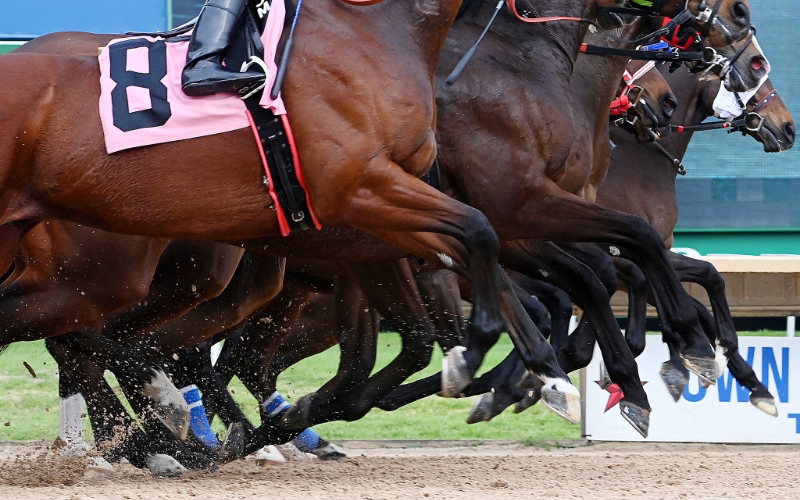
Close-up of racehorses with jockeys, legs extended mid-stride and dirt flying as they compete on a racetrack—an exciting moment reminiscent of the champions honored at the Texas Horse Racing Hall of Fame.

Our Vision

The Texas Horse Racing Hall of Fame exists to preserve the history and convey the excitement of horse racing while honoring the trainers, jockeys, owners, horses, and industry leaders who have shaped the racing community in Texas. We also aim to strengthen the future of the industry by funding nonprofit equine groups and supporting educational opportunities for individuals across Texas involved in horse racing.
Texas Horse Society logo.

Partnering With

Texas Horse Society

The Texas Horse Society is building a new generation of fans, professionals, and advocates for horse racing in Texas. By supporting us, you’ll help introduce young adults to the sport’s legacy through exclusive events, race-day experiences, and educational outreach.

Acknowledging Our Premier Sponsors
Board of Directors
Tommy Azopardi, Chairman at the Texas Horse Racing Hall of Fame.

Tommy Azopardi

Chairman
Dave Appleton, Vice Chairman at the Texas Horse Racing Hall of Fame.

Dave Appleton

Vice Chairman
Daniel Becka, Secretary at the Texas Horse Racing Hall of Fame.

Daniel Becka

Secretary
Bryan Brown, Treasurer at the Texas Horse Racing Hall of Fame.

Bryan Brown

Treasurer
John Adger, Board Member at the Texas Horse Racing Hall of Fame.

John Adger

Board Member
Mike Burleson, Board Member at the Texas Horse Racing Hall of Fame.

Mike Burleson

Board Member
​Catherine Carr, Board Member at the Texas Horse Racing Hall of Fame.

​Catherine Carr

Board Member
Lukin Gilliland, Jr., Board Member at the Texas Horse Racing Hall of Fame.

Lukin Gilliland, Jr.

Board Member
Ben Hudson, Board Member at the Texas Horse Racing Hall of Fame.

Ben Hudson

Board Member
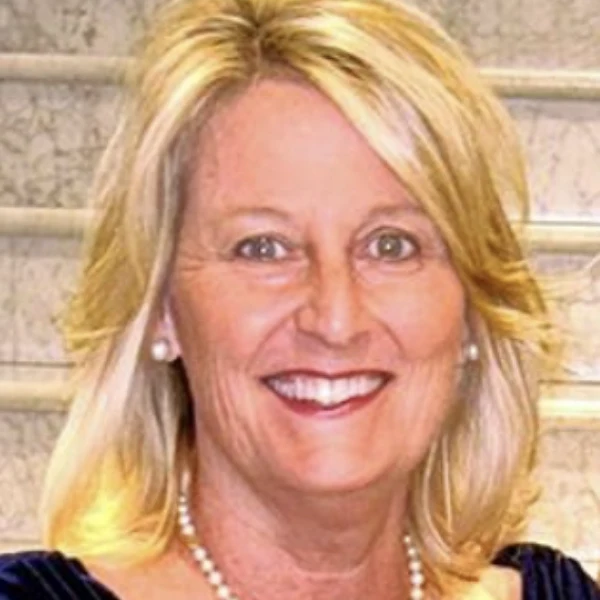
Susan Moulton Naylor, Board Member at the Texas Horse Racing Hall of Fame.

Susan Moulton Naylor

Board Member
Danny Pish, Board Member at the Texas Horse Racing Hall of Fame.

Danny Pish

Board Member
Joe Straus, Jr., Board Member at the Texas Horse Racing Hall of Fame.

Joe Straus, Jr.

Board Member
Janet VanBebber, Board Member at the Texas Horse Racing Hall of Fame.

Janet VanBebber

Board Member
Bryan Pettigrew, Ex Officio at the Texas Horse Racing Hall of Fame.

Bryan Pettigrew

Ex Officio
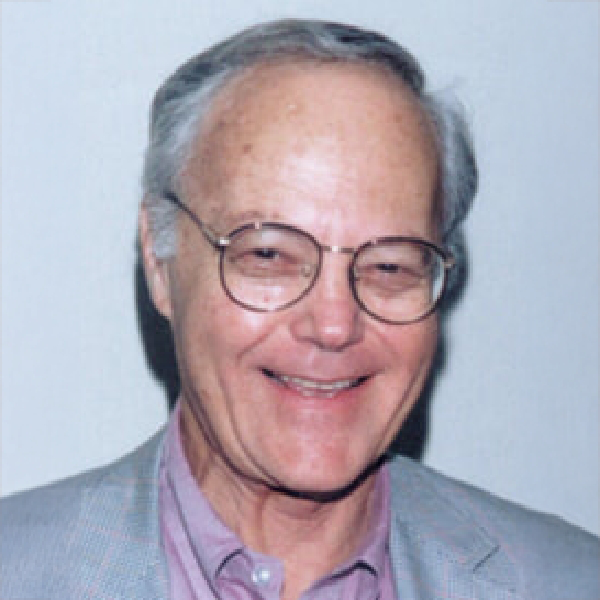
Dr. Charles Graham, Emeritus Board Member at the Texas Horse Racing Hall of Fame.

Dr. Charles Graham

Emeritus Board Member
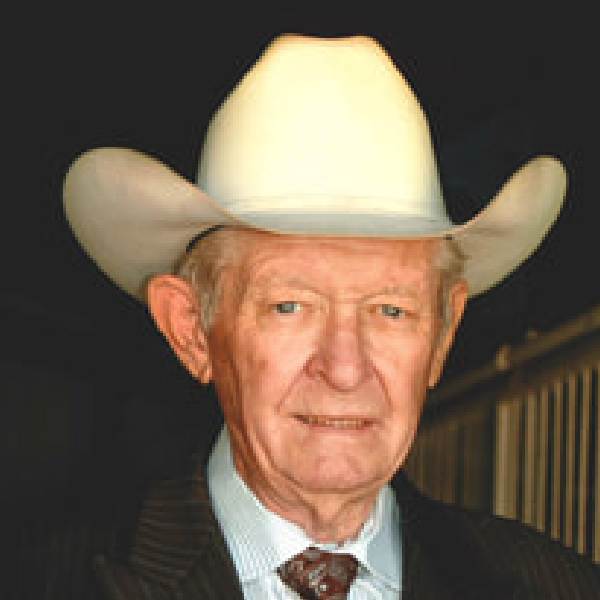
Tommy Oliphant, Emeritus Board Member at the Texas Horse Racing Hall of Fame.

Tommy Oliphant

Emeritus Board Member
​Melinda Pettigrew, Executive Director at the Texas Horse Racing Hall of Fame.

Melinda Pettigrew

Executive Director

History

The Texas Horse Racing Hall of Fame is a 501 (c) (3) nonprofit that began as the Retama Park Charitable Foundation, incorporated in San Antonio in 1995. By 2000, it evolved into the Hall of Fame we know today, with a mission to become an educational institution that highlights the character and excitement of horse racing.

Since 1999, our annual gala has honored Texas racing legends—both horses and jockeys—while raising funds for a planned museum that will preserve and promote the legacy of this industry for decades to come.

Horse racing in Texas dates back to the 19th century, when tracks like Arlington Downs, Epsom Downs, and Alamo Downs thrilled thousands of fans. Though the repeal of pari-mutuel wagering in 1937 halted the momentum, passionate horsemen kept the spirit alive for 50 years until it was re-legalized in 1987. Since then, racetracks such as Lone Star Park, Sam Houston Race Park, and Retama Park have reinvigorated the sport.

In 2004, Texas reached the national stage, hosting the Breeders’ Cup at Lone Star Park, a milestone moment in the history of horse racing in America. The industry continues to grow, driven by dedicated leaders, historic champions, and new generations of fans.

Horse racing is the second most widely attended spectator sport in the United States, second only to baseball, and features three primary breeds: Thoroughbreds, Quarter Horses, Paints, and Arabians, each with a rich and storied history.

Thoroughbred racing, brought to the New World by British settlers, began as early as 1665 on Long Island. By the early 1800s, only horses descended from those listed in the General Stud Book—tracing back to one of three founding sires: the Byerly Turk, Darley Arabian, or Godolphin Arabian—were considered true Thoroughbreds, a standard that continues to define the breed’s elite status in the Sport of Kings.

The American Quarter Horse, known for its powerful build and explosive speed, earned early admiration and, in 1940, became the foundation of the American Quarter Horse Association, now the world’s largest equine breed registry. Considered by many historians to be the oldest American horse breed, it remains a symbol of strength and tradition.

The Arabian, once bred for war and legend, continues to captivate racing fans around the globe with its timeless spirit and purebred speed, bringing elegance and mystique to modern-day tracks.

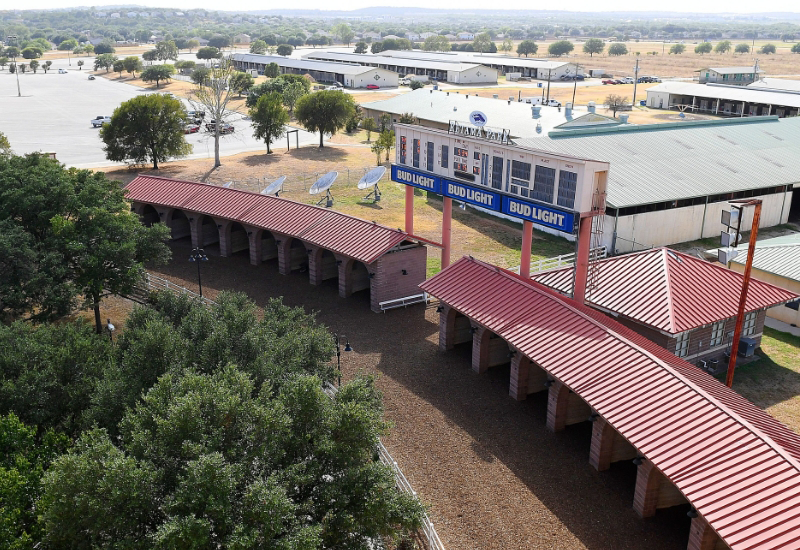
Aerial view of a horse stable with red roofs and outdoor animal pens near the Texas Horse Racing Hall of Fame, featuring a large Bud Light advertising sign, set in a rural area with nearby buildings and parking lot.

Join the Texas Horse Society

Become a proud supporter of Texas horse racing history by joining the Texas Horse Society. As a member, you’ll play a vital role in honoring racing legends, contributing to Hall of Fame events, and preserving the rich heritage of horse racing in Texas.